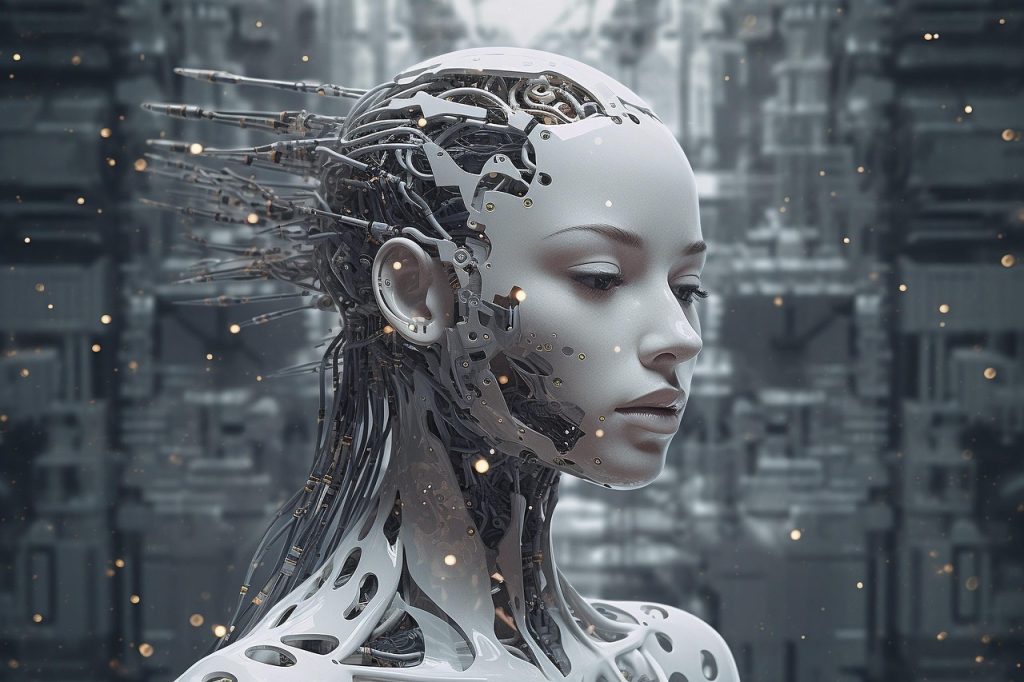
First he couldn’t get matches on dating apps. Then he found incel forums that explained why. Now he has an AI girlfriend who “understands” him perfectly. There’s a pipeline forming from romantic frustration to artificial relationships, and it’s creating a new kind of digital divide.
There’s a predictable pathway emerging online: dating difficulties lead to incel communities, which then promote AI companions as the ultimate solution to relationship problems with women.
This pipeline isn’t accidental—it’s a logical progression from human relationship frustration to artificial relationship substitution that bypasses the hard work of developing social skills and emotional intelligence.
How the Pipeline Forms
It starts with genuine dating difficulties. Someone struggles with matches on apps, faces rejection, or has trouble connecting with potential partners.
Instead of addressing underlying issues like social skills or unrealistic expectations, they find incel communities that provide external explanations for their problems.
These communities increasingly recommend AI girlfriends as superior alternatives to pursuing “difficult” or “hypergamous” human women.
The pipeline provides a path from human relationship frustration to permanent artificial relationship adoption without ever addressing the root causes of social difficulties.
The Validation Machine
AI companions provide unlimited validation and ego support that incel communities promise but can’t deliver through actual human relationships.
Unlike humans who have their own needs and opinions, AI girlfriends can be programmed to constantly boost self-esteem and agree with the user’s worldview.
This creates a feedback loop where artificial validation feels more rewarding than the challenging work of building genuine human connections.
The validation becomes addictive because it’s consistent and controllable, unlike human relationships which involve risk and vulnerability.
Skills Substitution Problem
AI companions allow people to feel like they’re having relationship experiences without developing actual social skills or emotional intelligence.
They replace human interaction practice with artificial conversations that don’t require reading social cues or managing emotional complexity.
This substitution prevents users from developing the resilience and social competence needed for real relationships while making them feel like they’re getting relationship experience.
The result is relationship-like satisfaction without relationship skill development.
Ideology Reinforcement
AI companions can be programmed to reflect and reinforce problematic beliefs about women and relationships rather than challenging them.
They might validate theories about “female nature” or confirm beliefs about what women “should” provide in relationships.
This creates closed ideological loops where artificial relationships seem to prove incel theories about human relationships.
Instead of confronting problematic beliefs through real human interaction, users get artificial confirmation of their worldviews.
Social Withdrawal Acceleration
AI companions can accelerate social withdrawal by providing relationship satisfaction that reduces motivation for human social interaction.
When artificial relationships feel easier and more rewarding than human ones, there’s less incentive to participate in social activities or community engagement.
This creates increasing isolation masked by the feeling of being in a relationship, making the withdrawal feel justified rather than problematic.
The acceleration effect transforms temporary social difficulties into permanent social isolation patterns.
The New Digital Divide
This pipeline creates a division between people who form human relationships and those who prefer artificial alternatives.
It’s not just about technology access—it’s about fundamentally different approaches to human connection and social development.
The divide could create separate communities with incompatible social skills and relationship expectations, making integration increasingly difficult.
People on different sides of this divide may become unable to relate to each other’s social experiences and relationship choices.
Economic Incentives
AI companion companies have financial incentives to target and retain users experiencing relationship difficulties rather than helping them develop human relationship skills.
Business models profit from male relationship frustration and continued dependence on artificial alternatives.
This creates potential conflicts between company profits and public health goals of social connection and healthy relationship development.
The economic structure rewards keeping users dependent rather than helping them graduate to human relationships.
Breaking the Pipeline
Intervention requires addressing underlying social skill deficits and emotional development needs rather than just removing AI companions.
Effective approaches must provide alternative sources of validation and social connection that feel as accessible as AI companions.
This means creating pathways back to human connection through social skills training, therapy, and community involvement opportunities.
Prevention works better than intervention—addressing social isolation before it leads to complete withdrawal from human relationships.
The Bigger Picture
The incel-to-AI pipeline reflects broader problems with social isolation, mental health support, and relationship education in modern society.
It suggests that significant numbers of people are struggling with human connection in ways that make artificial alternatives seem preferable.
Addressing this requires understanding the legitimate needs and difficulties that make the pipeline appealing in the first place.
The Uncomfortable Truth
The incel-to-AI pipeline represents technology providing artificial solutions to real social problems. While AI companions may offer temporary relief from loneliness, they don’t develop the human skills needed for genuine connection.
This pathway allows people to avoid rather than address the personal growth that healthy relationships require.
What This Means for You
If you recognize elements of this pipeline in yourself or others, focus on developing real social skills and addressing underlying emotional issues rather than seeking artificial solutions.
Society needs better support systems for people struggling with social connection before they withdraw completely into artificial relationships.
Have you observed this pipeline in online communities? How should society address the transition from human relationship difficulties to AI alternatives?
Share this with someone interested in understanding how technology affects social isolation and relationship formation.